

Stripe vs PayPal fees look close at a glance, both hover around 3% per transaction, but which one actually costs less depends heavily on your volume and how customers pay. Here’s the real fee schedule for both, current standard rates, and where the cheaper option flips depending on your numbers.
Last verified: September 2026.
Stripe vs PayPal fees, side by side
| Payment type | Stripe | PayPal |
|---|---|---|
| Standard card payment | 2.9% + $0.30 | 2.99% + $0.49 |
| PayPal Checkout (buyer pays via PayPal) | Not applicable | 3.49% + $0.49 |
| Send/receive for goods and services | Not applicable | 2.99%, no fixed fee |
| International transactions | Additional 1-1.5% typically | Additional 1.5% |
Stripe’s rate is a single flat number regardless of how the customer pays. PayPal’s rate depends on which payment flow the transaction goes through, standard card processing, the PayPal Checkout button, or a peer-style goods and services payment all carry different rates.
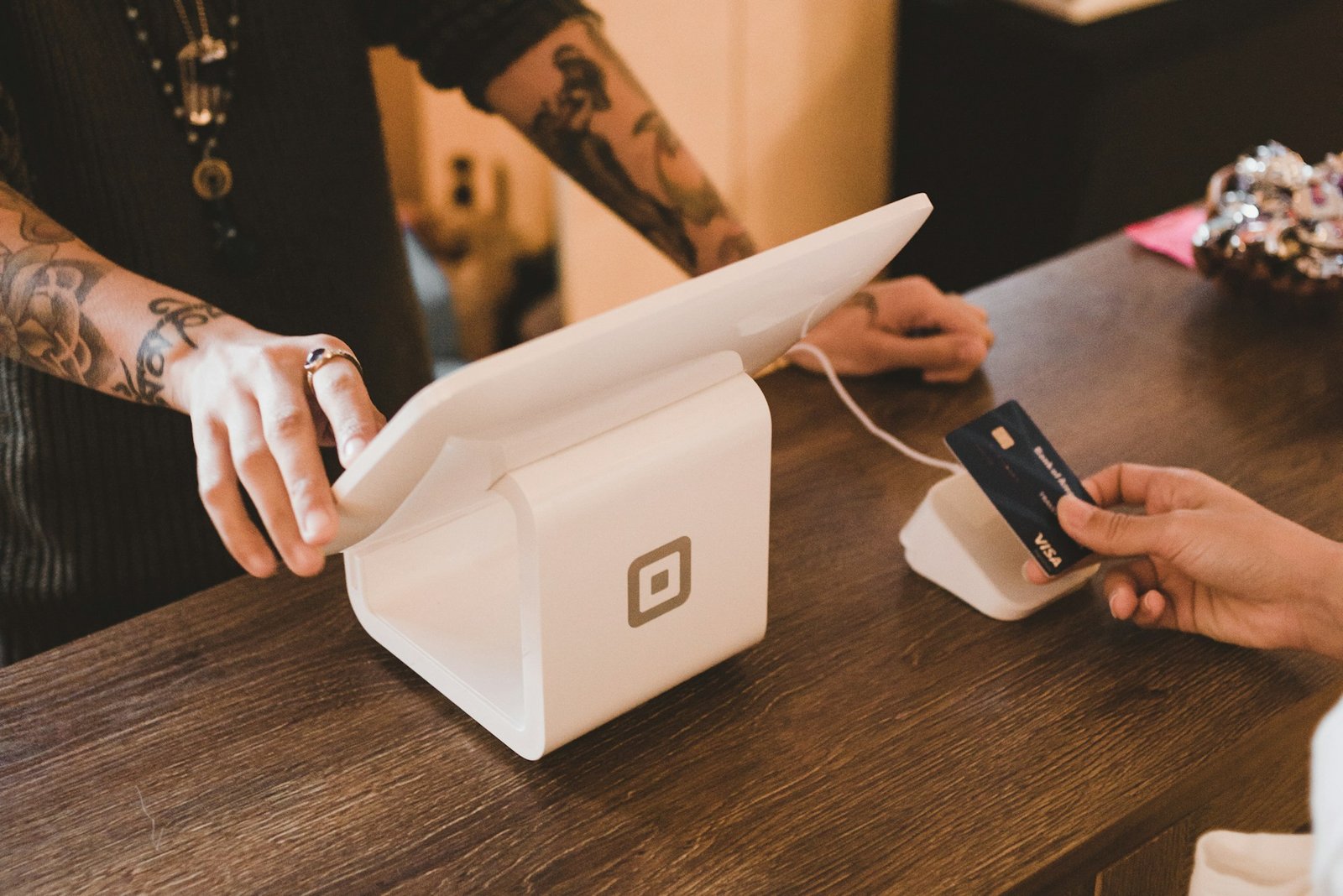
Where Stripe wins on price
For a straight card transaction, Stripe is consistently a fraction of a percent cheaper (2.9% vs 2.99%) and its fixed fee is lower ($0.30 vs $0.49). On a $50 transaction, that’s roughly $0.14 cheaper per sale, small on its own but real at volume. Stripe’s rate also stays flat whether the customer uses a card, Apple Pay, or most other supported methods, so your effective rate doesn’t shift based on payment method mix.
Where PayPal wins on price
If most of your transactions come through PayPal’s own goods-and-services flow rather than a card, PayPal’s 2.99% with no fixed fee at all beats Stripe on smaller transaction amounts, since Stripe’s $0.30 flat fee eats a bigger share of a low-dollar sale. For a business selling mostly $5-15 items, that fixed-fee gap can outweigh the percentage difference entirely.
PayPal also brings its own customer base with it, some buyers specifically prefer paying through PayPal because they trust it or don’t want to enter card details on a new site. That’s a conversion factor, not just a fee factor, and it’s worth weighing alongside the raw percentage.

For a deeper look at how card processing pricing models work across any processor, see our full breakdown of payment processing fees.
Fixed fee vs percentage: why average ticket size decides this
- Low average ticket (under $15): the flat per-transaction fee matters more than the percentage. PayPal’s no-fixed-fee goods and services rate can win here despite the headline number looking similar to Stripe’s.
- Mid-range ticket ($15-100): Stripe’s lower percentage and lower fixed fee usually wins for standard card transactions.
- High ticket, high volume: at meaningful monthly volume, both platforms offer custom/negotiated pricing below their published rates, worth requesting once you’re processing enough to have leverage.
How payout timing differs between the two
Stripe typically pays out on a rolling schedule, often two business days after a transaction for established accounts, sometimes longer for new accounts still building payment history. PayPal balances are generally available for withdrawal faster, often close to immediately for domestic transactions, though actual bank transfer time still depends on your bank. For a business managing tight cash flow, PayPal’s faster access to funds can matter more than a fraction of a percent in fees, worth weighing alongside the raw rate comparison.
What neither fee schedule shows you upfront
Chargebacks and disputes carry separate fees on both platforms, and PayPal in particular has a more visible dispute resolution process that can tip in the buyer’s favor more often than card network chargebacks typically do. International transactions add roughly 1-1.5% on both platforms on top of the base rate, so a business with meaningful international customers should model that extra cost, not just the domestic rate shown above.
For the fuller picture of what small business software and payment processing actually costs together, see our complete guide to small business software costs.
Which one actually costs less for your business
Run your own numbers against your actual average transaction size and payment mix rather than trusting the headline percentage alone. A business selling higher-ticket items through a standard checkout usually comes out ahead with Stripe. A business with a lot of smaller transactions, or one where customers specifically prefer paying through PayPal, can end up cheaper on PayPal despite the higher headline rate on card payments.
A quick way to check: take your average transaction value, multiply it by each platform’s percentage, then add the fixed fee. Whichever total is lower for your actual numbers is your answer, not whichever headline rate sounds lower in isolation.
Frequently asked questions
Is Stripe always cheaper than PayPal?
For standard card transactions, yes, Stripe’s percentage and fixed fee are both slightly lower. PayPal can still come out cheaper on very low-ticket transactions processed through its goods and services flow, which carries no fixed fee.
Can I offer both Stripe and PayPal to customers?
Yes, and many businesses do, since some customers specifically prefer one over the other. Running both means tracking two separate fee structures and two sets of payout timing, worth it mainly if PayPal’s customer trust genuinely increases your conversion rate.
Do international sales cost significantly more on either platform?
Both add roughly 1-1.5% for international transactions on top of the domestic rate. If a meaningful share of your revenue comes from outside the US, model that extra cost before assuming the domestic rate applies to your whole business.
Can I negotiate lower rates with either platform?
At higher processing volume, yes, both offer custom pricing outside the published rate card. Below a certain volume threshold, the standard published rates apply and aren’t typically negotiable.
Which one gets me my money faster?
PayPal generally makes funds available for withdrawal faster than Stripe’s standard payout schedule, though actual bank transfer time depends on your own bank either way. If cash flow timing matters more to your business than the exact fee percentage, factor this in.
Does either platform charge a monthly fee?
Neither charges a standard monthly account fee for their core payment processing, both are pay-per-transaction. Optional add-on features (invoicing tools, advanced fraud protection, custom integrations) can carry separate costs on either platform.
This site is independent and is not affiliated with, endorsed by, or sponsored by Stripe, Inc. or PayPal Holdings, Inc. All product names, logos, and brands are property of their respective owners.